At first glance, motorsports look simple.
The fastest car wins. The driver who dares most carries the day. Watch qualifying and you can convince yourself the hierarchy is clear before the grid even forms. Pole position feels like destiny. Raw pace seduces us because it is visible, measurable and easy to admire.
But the longer you watch racing, whether it’s NASCAR grinding through 400 miles, Formula 1 navigating tire windows or endurance teams calculating fuel down to the decimal, the more you realize speed is merely the headline. Strategy is the story. And unlike the clean clarity of lap times, strategy unfolds quietly.
In the build-up to major race weekends, you can see how markets react to headline performances in the same way Cheltenham betting odds react to a strong gallop report or shift in ground conditions. Bettors are drawn instinctively to the obvious metric, yet the obvious metric rarely tells the whole truth.

Speed Is Obvious, Strategy Is Not | Motorsports Betting
The Myth of Pure Pace
Qualifying laps create narratives. A blistering run under the lights can instantly shorten a driver’s price. Analysts talk about “dominant machinery” and “unstoppable rhythm.” Social media does the rest.
Yet, pole is not a guarantee. In stock car racing, clean air matters until it doesn’t. One poorly timed caution can erase a ten-second advantage. In Formula 1, track position can dissolve under an aggressive undercut. In endurance racing, an early push can compromise tires hours later.
Speed gives drivers opportunity, but it does not guarantee outcome. Some of the most tactically brilliant victories in recent seasons have come from drivers who never topped a session chart. They managed tires better. They extended stints. They avoided unnecessary risk. It may not be glamorous, but it is disciplined.
The Quiet Decisions That Decide Races
Strategy in motorsport is not dramatic. It rarely produces a highlight reel. It’s a crew chief deciding to stay out one lap longer while competitors pit, or a team gambling on two tires instead of four. It’s fuel mapping adjusted mid-race to protect against an unexpected restart.
Fans often notice strategy only when it fails. A mistimed stop becomes a post-race autopsy. A conservative call is labelled timid. But when strategy works, it looks invisible.
Take a typical NASCAR road course event. A driver might surrender early track position to flip stage order, sacrificing short-term points for long-term leverage. That decision rarely trends online. Yet when the race enters its final laps and that same driver cycles forward, the earlier calculation suddenly matters.
Speed alone could not have delivered that position; patience did.
The Market Loves the Flash
Betting markets mirror this human instinct. They respond first to spectacle. A dominant practice session moves numbers. A streak of fastest laps tightens pricing. Momentum narratives inflate quickly, as it is far easier to sell a story about raw pace than one about disciplined tire conservation.
But experienced observers know that races are rarely won on lap ten. In motorsports, degradation curves, weather variables, pit crew efficiency and caution timing matter and are underrated stats, even though they are just as crucial for top-end speed. The driver who can run at ninety-eight percent for longer often defeats the one who runs at one hundred percent too early. The obvious metric is comforting, but the hidden variable is decisive.
Endurance, Not Exhibition
Endurance racing perhaps illustrates this best. At Le Mans or Daytona, early pace is almost meaningless. Teams build strategies around night stints, traffic management and fuel margins that can feel microscopic. A car can dominate for six hours and lose everything in a single misjudged pit cycle.
Even in shorter formats, the principle holds. In Formula 1, tire degradation windows dictate aggression. A driver pushing too hard in the opening stint may face defensive vulnerability later. In IndyCar, fuel save periods can transform running order without a single on-track overtake.
The stopwatch measures speed. It does not measure restraint.
Why It Matters to Bettors
For those studying race weekends through a betting lens, understanding this difference is critical. Backing pure pace can be rewarding, but it can also be fragile. The smarter approach often lies in asking subtler questions. Which team has shown adaptability? Which crew has been clean in the pit lane? Who manages restarts under pressure?
Motorsport rewards systems as much as talent. The temptation is always to believe what is visible. The fastest lap. The dominant session. The pole trophy photo. Yet races are not sprints of brilliance. They are sequences of decisions layered across hours.
The Illusion of Simplicity
Speed will always capture attention first. It should, it’s thrilling. But strategy is what survives contact with chaos. A caution flag. A sudden drizzle. A tire blister. These are the moments when the driver who understands racecraft and the team that understands timing steps forward.
When the checkered flag falls, the winning car may have the fastest, but more often than we admit, it was the one that was managed best.
Speed is obvious. Strategy is not. And in motorsports, the difference between the two is usually the difference between leading early and leading when it matters.

Thanks for reading “Speed Is Obvious, Strategy Is Not: Motorsports Betting Tips.” You can find more articles like this here on our website or on our YouTube channel.
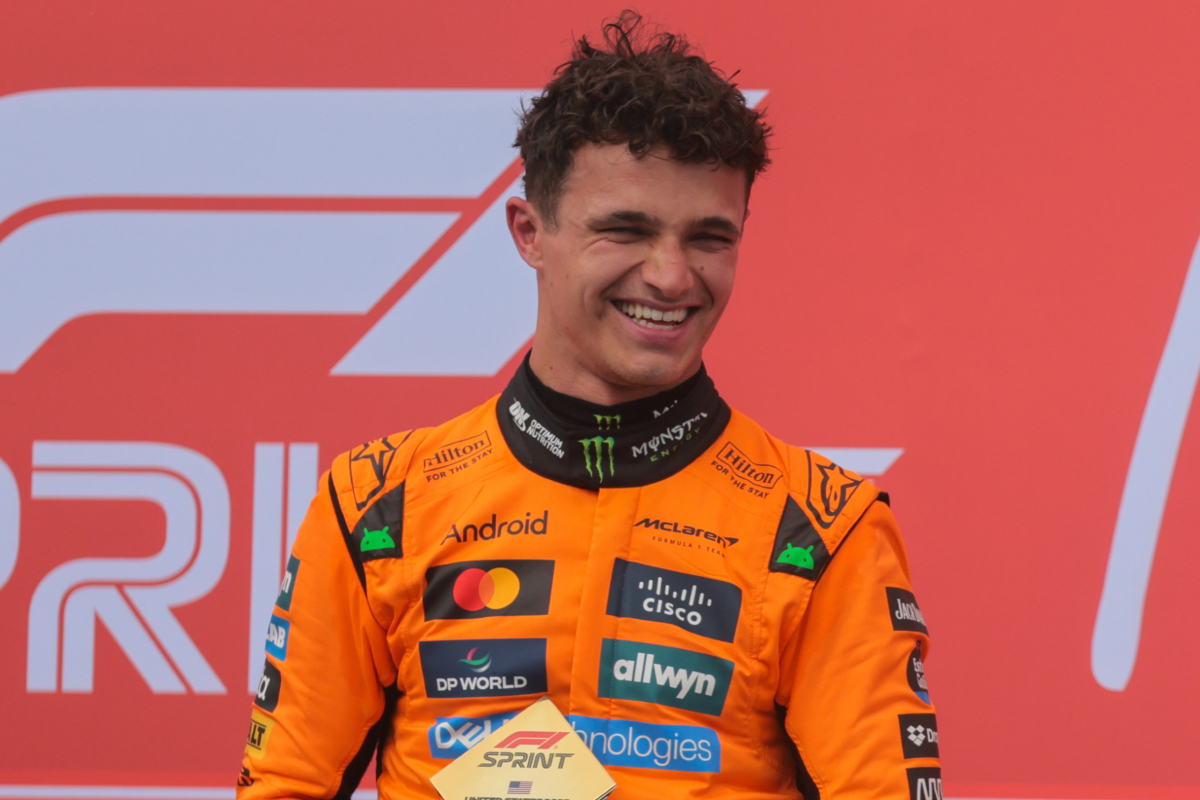
*Photo Credit: Sam Navarro – USA Today Sports*
