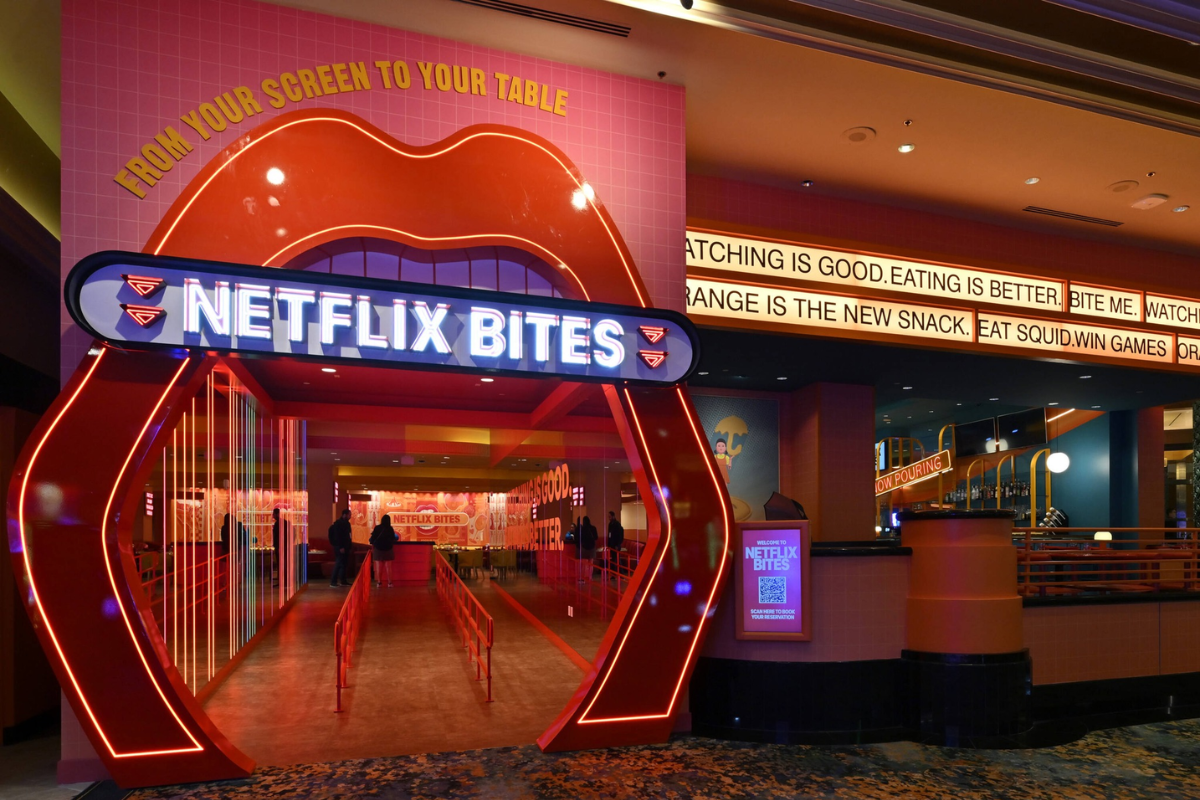
After releasing a huge library of shows that became hits, Netflix has now turned streaming into a place people can visit. The first Netflix House locations in Philadelphia and Dallas are open, with immersive show worlds, food, shopping and fan experiences under one roof. A Las Vegas location is also planned for 2027. This is a significant move because it shows a major streaming brand betting on physical entertainment at the same time as many other forms of play are becoming more digital.
However, casino games that have been traditionally associated with adult “offline” entertainment show the other side of the shift. Their online growth suggests that some entertainment becomes stronger when it is easier to access, more flexible and built around personal time.
Together, these two stories raise a sharper question: does entertainment belong in the real world, online, or wherever people feel most drawn to return?

Where Does Entertainment Really Belong?
What Online Casino Play Proves About Where Entertainment Works Best
Online casino growth is an interesting case because table games are not casual digital add-ons. They are structured systems built around pace, trust, bankroll movement, choice and repeat play. When those systems moved online, they did not lose their core appeal. In many cases, they became easier to use because the digital format removed the parts that slowed the session down without changing the heart of the game.
A strong online table game experience is built around access first, and those who play table games online for entertainment take advantage of that. Players can enter a session without travel, dress codes, fixed opening hours or the need to plan a full night out. That matters because table play often works best in focused sessions.

Online access lets people treat the experience with more control: join, leave, switch stakes, change format or pause without the social pressure of a physical room. The attraction is not only convenience; it is the ability to shape the session around time, budget and attention.

The online setting also changes table density. In a physical venue, the player is tied to seat availability, table minimums, dealer pace and the atmosphere around that table. Online, the choice set expands. Players can move between live-hosted rooms, automated tables, lower or higher stakes, faster rounds, side-bet formats and different visual layouts. The game is still the anchor, but the friction around it is lower. As the images above illustrate, the layout of a Blackjack game can change, but the game remains the same.
The Market Rewards the Shift
Online casinos have become a clear sign of preference. People may still want offline spaces for social life, food, travel and live events, but for this kind of entertainment, the online version often gives more access, more control, more payment flexibility and more ways to match the session to the player’s mood.

The global online casino market was worth about $19.11 billion in 2024 and could reach $38 billion by 2030, per Grand View Research, but the growth illustrated above shows more than new technology. It shows that people like entertainment that is ready when they are ready. Online casino play proves that some games do not lose their value online. They can become easier, more repeatable and better matched to personal habits.
The New Split Between Place-Based and Screen-Based Entertainment
Looking at a different shift in entertainment, Netflix House shows that physical entertainment still has a strong role when the goal is immersion. A fan destination can turn a familiar story into a place people walk through, taste, photograph and remember. That is different from simply watching another episode; it turns attention into participation.
The wider market shows why this makes a difference. Digital reach is huge, but people still spend money on experiences that feel special. The strongest entertainment models are no longer only “watch here” or “go there,” they connect both. A screen builds the emotional link, then a physical space deepens it. Or the reverse happens: an offline memory sends someone back to digital content.
| Market Point | Recent Data Point | What It Suggests |
| Netflix House | Netflix describes it as a permanent, year-round fan destination where visitors can play, eat and shop stories in real life. | Physical spaces work best when they extend a story, not when they simply copy a screen. |
| Global internet use | ITU estimates that 6 billion people, or 74% of the world’s population, were online in 2025. | Digital access is now the main scale layer for entertainment. |
| Streaming value pressure | Deloitte’s 2025 survey found that 47% of consumers felt they paid too much for streaming services, and 60% said a $5 USD price rise could make them cancel a favorite service. | Passive viewing needs added value, stronger habits or richer experiences. |
The Future Belongs to Experiences That Know Their Job
The next phase of entertainment will not be about choosing online or offline. It will be about matching the format to the feeling people want. A fan may want a full afternoon inside a story world once or twice a year, or that same person may want quick, flexible, digital play several times a week. These are not competing needs; they are different moods.
A 2025 report shows how big this change is, predicting that the global entertainment and media market could reach about $3.5 trillion by 2029. Video games are also expected to grow from $224 billion in 2024 to almost $300 billion by 2029.
Abundance Changes What Each Format Has To Do
Of course, people have more entertainment choices today than ever before. That abundance changes the job of every entertainment format. A physical venue must justify the trip, offering atmosphere, surprise and a reason to be there with other people. A digital experience must justify the click, so it has to be smooth, personal, easy to return to and rewarding in short sessions as well as long ones.
This is why Netflix House and online casino games are part of the same story. One turns digital stories into places because fans want to step inside them. The other turns venue-based play into digital access because players value choice and ease. Both moves make sense when the format serves the experience instead of forcing the experience to serve the format.

Thanks for reading our article on “Where Does Entertainment Really Belong?” You can find more articles like this here on our website or on our YouTube channel.
